
South African Seasonal Produce Guide: What’s in Season Now
Eating seasonally is one of the easiest ways to improve flavour in your meals and save money. Seasonal produce is often fresher and more affordable, which means better taste and better value. In South Africa, each season brings its own selection of fruits and vegetables, making it easy to enjoy different foods throughout the year.
Why Choose Seasonal Produce?
1. It’s More Affordable
When fruits and vegetables are in season, they’re produced in larger quantities locally. This usually means lower prices at grocery stores and farmers’ markets.
2. Better Taste & Quality
Produce picked during its natural growing season tends to taste fresher and sweeter compared to out-of-season produce that may have travelled long distances or been stored for extended periods.
3. More Nutrient Dense
Fresh produce generally retains more nutrients when it’s harvested and eaten closer to its natural season.
4. Adds Variety to Your Diet
Seasonal eating naturally encourages diversity in your meals throughout the year; from citrus in winter to berries and stone fruit in summer.
South African Seasonal Produce Guide
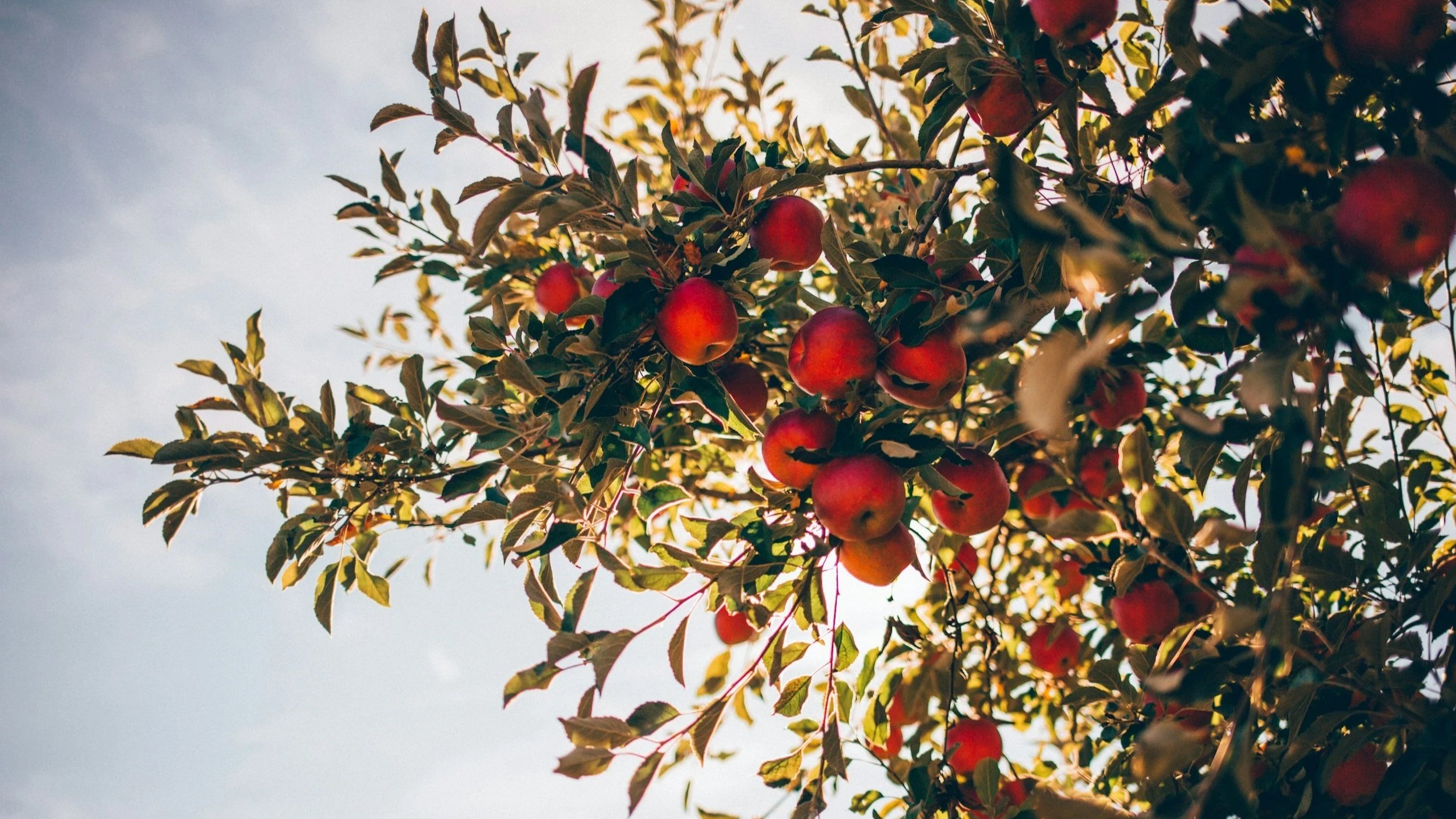
🍂 Autumn (March – May)
Autumn brings comforting produce perfect for soups, roasted vegetables, warm breakfasts and hearty salads.
Fruits in Season
Apples
Avocados
Figs
Grapes
Guavas
Mangoes
Oranges
Pears
Plums
Pomegranates
Watermelon
Vegetables in Season
Beetroot
Broccoli
Brussels sprouts
Kale
Leeks
Mushrooms
Parsnips
Spinach
Sweetcorn
Turnips
❄️ Winter (June – August)
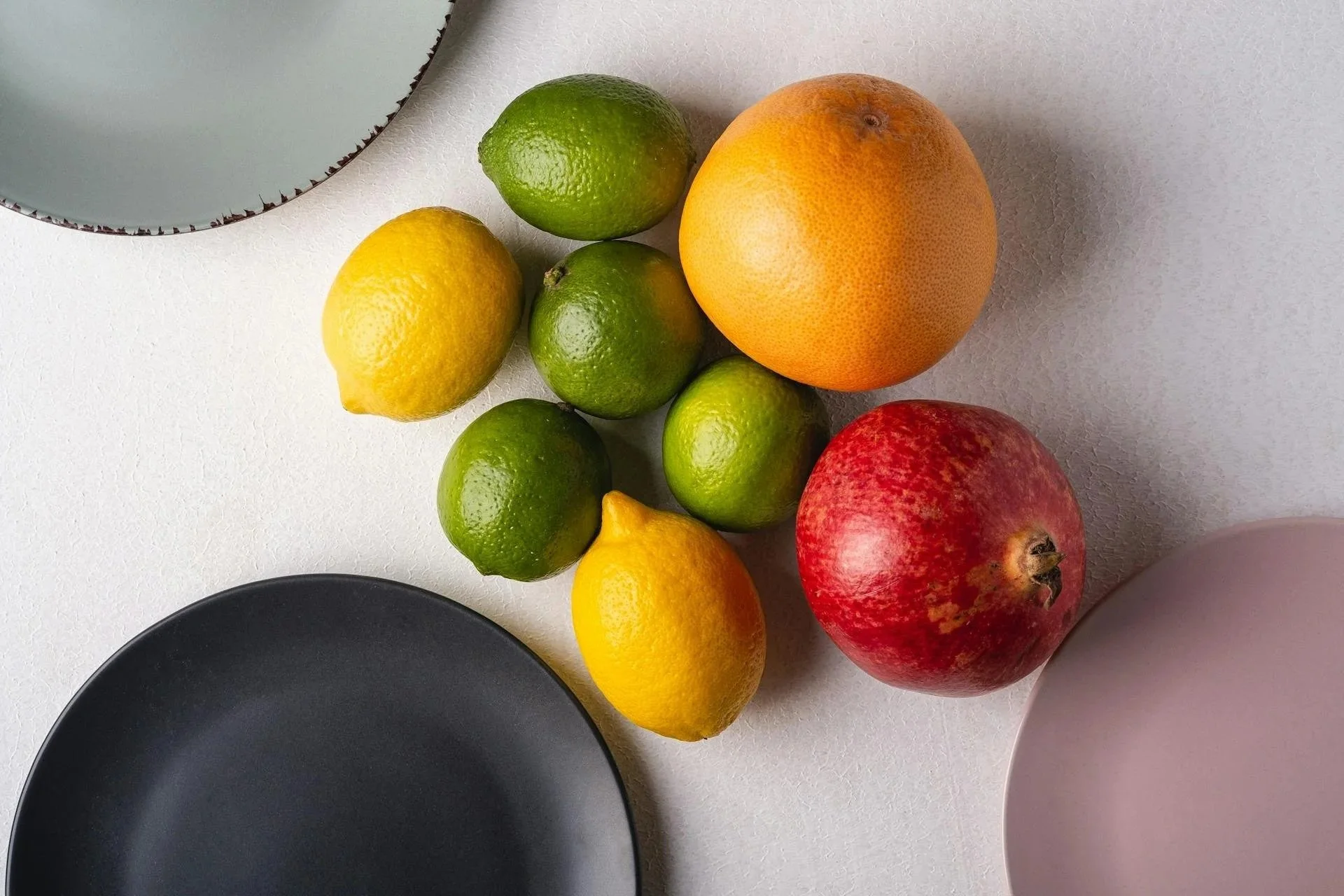
Winter in South Africa is known for citrus fruits and hearty vegetables that work perfectly in soups, stews, curries and oven dishes.
Fruits in Season
Apples
Avocados
Grapefruit
Guavas
Kiwi
Lemons
Limes
Naartjies
Oranges
Pears
Vegetables in Season
Beetroot
Broccoli
Brussels sprouts
Cabbage
Cauliflower
Kale
Leeks
Parsnips
Pumpkin
Spinach
Turnips
🌸 Spring (September – November)
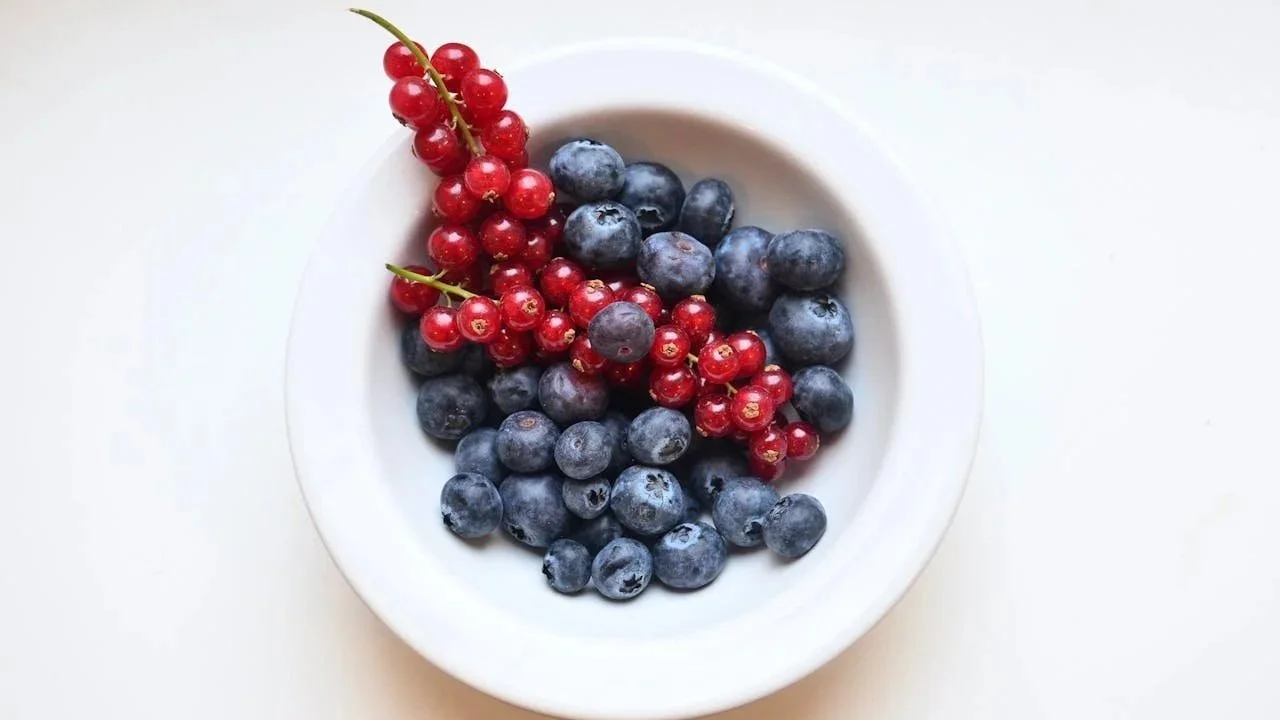
Spring produce becomes lighter, fresher, and more colourful. This is a great time for salads, smoothies and fresh snacks.
Fruits in Season
Apricots
Avocados
Blueberries
Cherries
Grapes
Nectarines
Peaches
Plums
Strawberries
Watermelon
Vegetables in Season
Asparagus
Baby marrow
Beetroot
Broccoli
Cucumber
Green beans
Mushrooms
Peas
Rhubarb
Spinach
Spring onions
☀️ Summer (December – February)
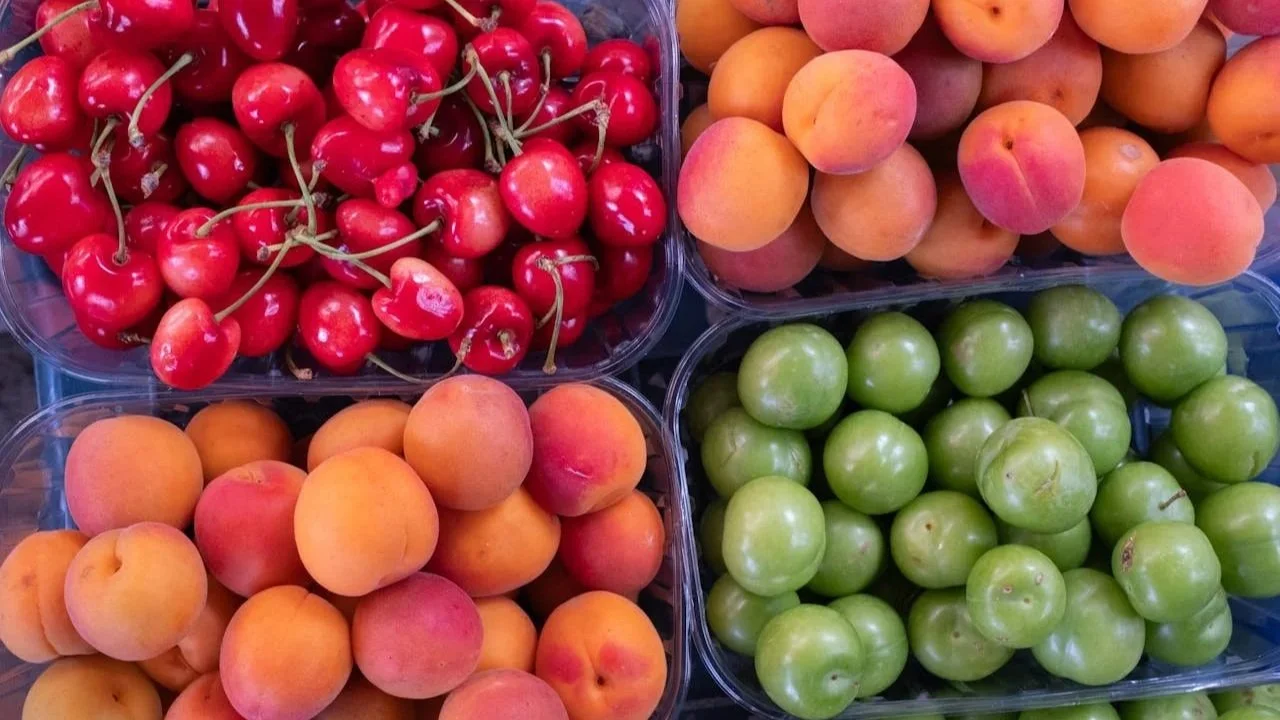
Summer is peak season for juicy fruits, salads, braais and lighter meals.
Fruits in Season
Apricots
Berries
Cherries
Figs
Grapes
Litchis
Mangoes
Nectarines
Peaches
Plums
Strawberries
Watermelon
Vegetables in Season
Asparagus
Beetroot
Cucumber
Green beans
Lettuce
Peppers
Radishes
Sweetcorn
Tomatoes
Baby marrow
Produce Available Most of the Year
Some foods are commonly available throughout the year in South Africa:
Fruits
Bananas
Apples
Pineapple
Lemons
Vegetables
Carrots
Tomatoes
Potatoes
Onions
Sweet potatoes
Mushrooms
Cabbage
Tips for Eating Seasonally on a Budget
Buy produce from local markets when possible
Choose frozen fruit and vegetables if fresh options are expensive
Plan meals around weekly specials
Batch cook soups, curries, and stews using seasonal vegetables
Freeze extra seasonal fruit for smoothies or oats
Try one new seasonal ingredient each month
Simple Rule to Remember
A quick way to shop seasonally:
Winter = citrus + hearty veg
Spring = berries + greens
Summer = stone fruit + salads
Autumn = comforting roast veg + apples/pears
Seasonal eating doesn’t need to be complicated, even adding 1–2 in-season fruits or vegetables to your weekly grocery list can make meals fresher, more affordable, and more enjoyable.