
Why Most New Year Diets Fail (and What to Do Instead This January)
Every January, motivation is high. Gym memberships spike, grocery carts fill with “healthy” foods, and diet plans promise fast results. Yet by February, most people feel frustrated, exhausted and back where they started.
If this sounds familiar, you’re not failing… the diet is.
As a Registered Dietitian, I see the same patterns every January. Here’s why most New Year diets fail, and what actually works if you want sustainable results in 2026.
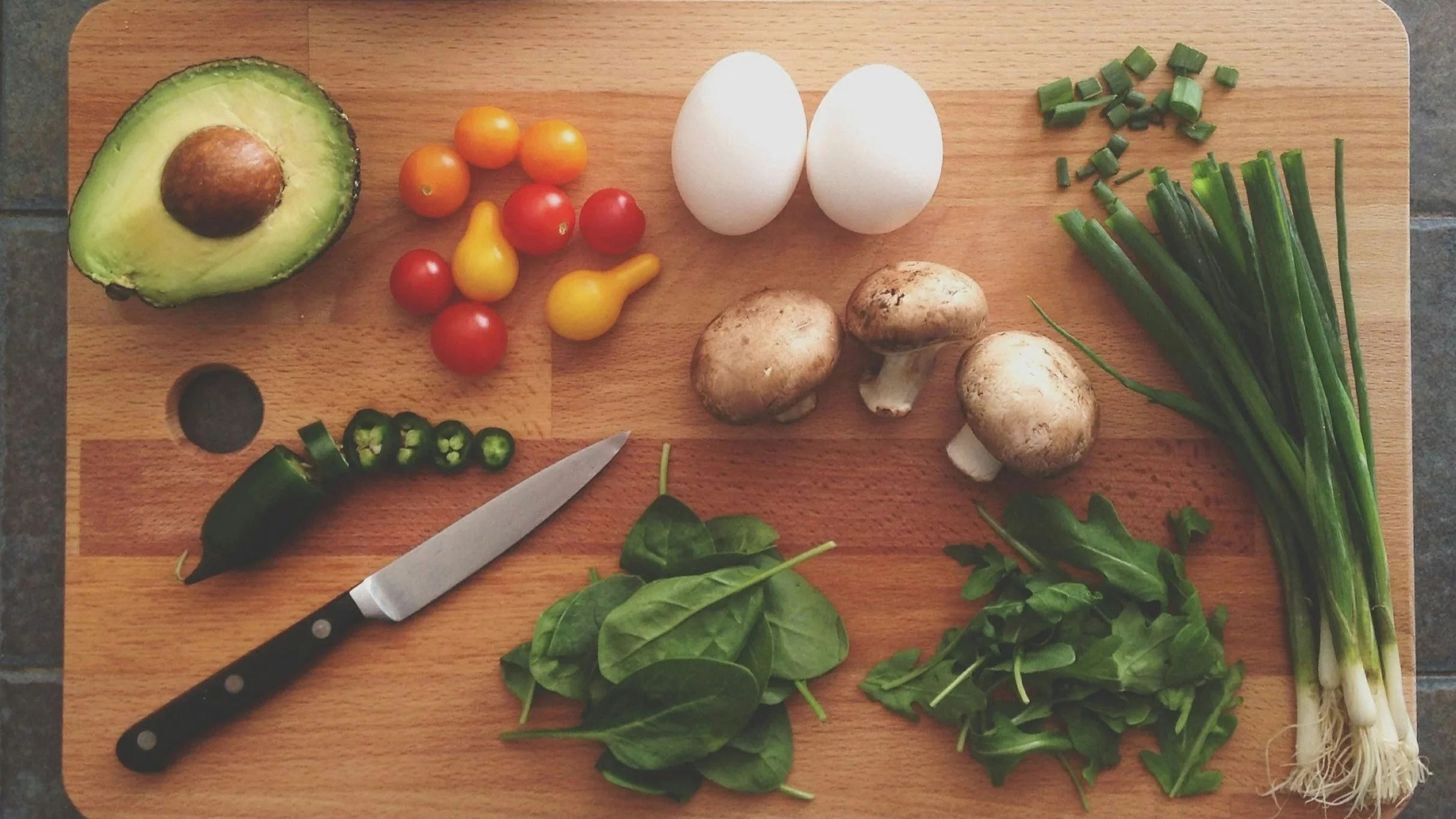
Why Most January Diets Fail
1. They’re too extreme
Many New Year diets focus on:
Cutting entire food groups
Eating far too little
Following rigid rules (“no carbs”, “no sugar”, “clean eating only”)
This leads to:
Low energy
Intense cravings
Poor concentration
Loss of motivation
Extreme restriction is not sustainable, especially if you’re working, training, socialising or managing stress.
2. They ignore individual needs
Generic plans don’t consider:
Your schedule
Your training level
Medical conditions
Hormones, gut health or blood sugar control
Food preferences and culture
A plan that worked for someone else on Instagram is unlikely to work for your body and lifestyle.
3. They focus on quick weight loss, not behaviour change
Most diets are outcome-focused:
“Lose X kg in 30 days”
“Drop a dress size fast”
But without building habits around:
Regular meals
Balanced portions
Consistent routines
…the weight almost always returns.
4. They don’t offer support or accountability
Trying to “be disciplined” on your own often leads to:
Overthinking food choices
Guilt after normal meals
Giving up after one “off” day
Long-term success requires guidance, adjustments, and realistic expectations, not perfection.

What to Do Instead This January
1. Start with a proper nutrition assessment
Instead of guessing, start with clarity.
A professional nutrition assessment looks at:
Current eating patterns
Body composition (not just scale weight)
Medical history
Training and lifestyle demands
This forms the foundation for a plan that actually fits your life.
2. Focus on balanced, sustainable changes
Real progress comes from:
Eating regularly
Adequate protein, carbs and fats
Flexible meal options
Foods you enjoy and can maintain
Consistency beats restriction, every time.
3. Choose a personalised meal plan
A tailored plan:
Removes decision fatigue
Fits your preferences and schedule
Supports fat loss without under-fuelling
Adjusts as your body responds
This is especially important if you’ve struggled with dieting in the past.
4. Get ongoing support and accountability
Support helps you:
Navigate social events
Handle setbacks without giving up
Adjust your plan when life gets busy
Stay consistent beyond January
This is what turns short-term motivation into long-term results.
A Smarter Way to Start 2026
To help clients avoid the January diet trap, I’m offering a January Nutrition Special for a limited time.
The special includes:
A full nutrition assessment
Personalised, in-depth meal plan
Ongoing dietitian support
Body composition analysis (including body fat percentage)
30% off consultation fees
Medical aid support available
👉 You can view the January Nutrition Special and book here
Final Thoughts
January doesn’t need to be about restriction, guilt, or starting over again in February.
If you’re ready for a realistic, evidence-based approach that supports your health, energy and goals, this is the right place to start.
Small, personalised changes done consistently will always outperform extreme diets.

Gut-Friendly Foods to Stock Up On
A free guide to supporting your gut this winter
Feeling bloated, sluggish, or just a bit "off" this season? Your gut might be trying to tell you something.
This free guide breaks down three simple things that make a real difference to your gut health in winter (fibre diversity, fermented foods, and hydration) without needing a dramatic diet overhaul.
Inside, you'll find:
A breakdown of different fibre types (soluble, insoluble, and resistant starch) and exactly what each one does for your body
A guide to fermented foods — what they are, where they come from, and easy ways to use them
A realistic example of what a 30g fibre day actually looks like
A printable weekly meal planner to help you put it all into practice
No extremes. Just small, consistent additions that add up.